


Table of Contents
- Start With Size: How to Choose the Right Dog Bed Size and Measure Your Cat
- Match the Bed Shape to Your Pet's Sleeping Style
- The Best Bed Shape for Cats: Enclosed, Round, or Flat
- Cushioning and Support: When an Orthopedic Dog Bed for Older Dogs Makes Sense
- Materials, Warmth, and Breathability: Picking the Right Fabric and Filling
- Why a Washable Pet Bed With Removable Cover Is Worth It
- Multi-Pet Households: Choosing Beds That Work for Everyone
- Conclusion: Your Step-by-Step Checklist for a Comfortable Pet Bed
- Frequently Asked Questions
Last Updated: October 9, 2026
Start With Size: How to Choose the Right Dog Bed Size and Measure Your Cat
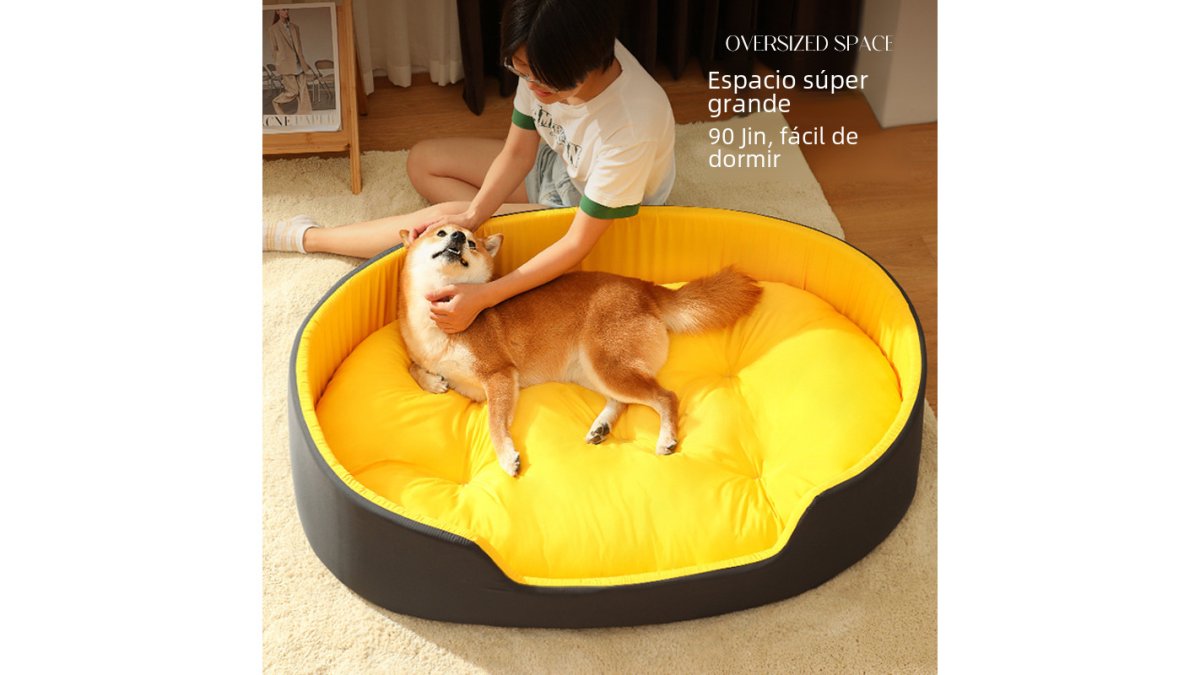
Getting the size right is the single most important step in how to select a comfortable pet bed for cats and dogs. A bed that's too small forces your pet to sleep curled tight.
Pets spend most of their day asleep, so a bed that fits matters more than most owners think. The fix starts with one simple measurement.
The Nose-to-Tail Measurement Method
Measure your pet from the tip of the nose to the base of the tail while they stand or lie stretched out. Add 8 to 10 inches to that number. That's your target bed length.

For cats, measure the same way, then add a few inches. Cats curl up tight, but they still need room to stretch out on warmer days.
When to Size Up for Your Pet
Size up if your pet is still growing, if they sprawl when they sleep, or if they share a bed with another pet. When in doubt, go with the next-biggest size. A slightly roomy bed beats a cramped one every time.
Match the Bed Shape to Your Pet's Sleeping Style
Bed shape should follow sleeping position, not breed alone. Watch your pet during everyday naps for a few days before you buy.
Curlers, Sprawlers, and In-Between Sleepers
Pets fall into three rough groups:
- Curlers tuck into a tight ball and want raised sides or a round bed
- Sprawlers stretch out flat and need a wide, flat mattress bed
- In-between sleepers shift position all night and do best with an oval or box bed
A common mistake is buying for the pet you wish you had, not the one you have. A sprawler in a deep bolster bed will just sleep on the floor beside it.
The Best Bed Shape for Cats: Enclosed, Round, or Flat
The best bed shape for cats is usually an enclosed or semi-enclosed nest, because cats seek out small, covered spaces to feel safe. A round bed with raised sides gives that same tucked-in feeling without a full cover.
Flat beds suit confident cats who sleep out in the open. Enclosed beds suit shy cats, kittens, and any cat that hides under furniture. For most indoor cats, a semi-enclosed nest is the safest bet.
Cushioning and Support: When an Orthopedic Dog Bed for Older Dogs Makes Sense
An orthopedic dog bed for older dogs makes sense once you notice stiffness, slow rising, or trouble settling on hard floors. The denser foam base supports joints and muscles that thinner filling can't.
But "orthopedic" on a label means little on its own. What matters is the foam's density and how it behaves under your pet's weight.
How to Read Foam Support Without a Lab Test
Support comes from foam density, not thickness. A thick bed filled with loose fiber compresses to nothing under a large dog.
A practical test: press your palm flat into the center of the bed and hold for five seconds. Dense orthopedic foam springs back slowly and leaves a shallow indent.
Most practitioners find that a foam base paired with a fluffy top layer gives the best of both, joint support underneath, softness on the surface.
Matching Support Level to Your Pet's Stage
Support needs shift with age and condition, not just size:
- Puppies and kittens need moderate cushioning with low sides they can climb over. Very soft beds can be hard for a growing pet to rise from.
- Adult pets in good health do fine with plush cushioning and a supportive base.
- Senior pets benefit from dense foam and low entry height so they don't have to step up.
- Post-surgery or injury recovery calls for firm, flat support with no deep bolsters that restrict movement. Ask your veterinarian whether a specific bed height or firmness is appropriate during recovery.
- Pets with incontinence need a waterproof liner beneath a removable cover, not just a washable one.
- Large and giant breeds put more concentrated pressure on foam, so density matters more than size alone.
When Softness Is the Wrong Goal
A bed that feels wonderful to your hand may be the wrong bed for a pet with joint issues. Softness and support are different properties.
If your pet avoids a new bed, the cushioning is often the reason. Watch whether they sink too far, struggle to stand, or slide off the edge.
Our Orthopedic Dog Sofa Bed pairs an orthopedic foam base with a plush surface and raised edges for head support.
Materials, Warmth, and Breathability: Picking the Right Fabric and Filling
Fabric and filling decide whether your pet actually uses the bed or avoids it. Match the material to your climate and your pet's coat, not to your home decor.
Short-haired and older pets run cold. They do well with plush or fluffy material that traps warmth.
Filling matters just as much. PP cotton and sponge blends hold their shape. Loose, thin filling clumps after a few washes.
Plush Pet Bed – Ultra-Soft Cushion for Dogs & Cats →
| Pet Type | Best Fabric | Best Filling | Why |
|---|---|---|---|
| Short-haired or senior | Plush, fluffy | Dense foam plus PP cotton | Traps warmth, supports joints |
| Thick-coated | Breathable woven | PP cotton | Prevents overheating |
| Cats | Soft plush | PP cotton | Warmth plus easy burrowing |
| Multi-pet homes | Durable woven | Dense foam | Holds shape under extra weight |
Species Differences in Material Preference
Cats and dogs interact with fabric differently, and that changes what you should buy.
Cats knead, burrow, and scratch before settling. They favor soft, plush surfaces they can dig into, and they often prefer warmth over breathability because they seek out heat sources.
Dogs tend to lie on top of fabric rather than burrow into it. They shed more heavily against woven surfaces, which makes a smooth, tightly woven cover easier to brush or vacuum between washes.
Safety and Material Transparency: What to Check Before You Buy
Comfort is only half the decision. The other half is whether the bed is safe for your specific pet.
- Chew resistance. Puppies, teething kittens, and anxious dogs may chew bedding. Look for reinforced seams and no dangling cords, tags, or zipper pulls that can be swallowed. If your pet is a determined chewer, supervise use until you know the bed holds up.
- Loose parts. Zippers, buttons, and decorative trim can detach. Check that the zipper is covered or recessed and that no small pieces are sewn on loosely.
- Non-slip base. A bed that slides across hardwood or tile can be hard for a senior pet to step into and can shift under a pet that's rising. A textured or rubberized bottom keeps the bed in place.
- Filling exposure. If the inner liner tears, filling can spill and be ingested. A bed with a sealed inner cushion under a removable cover reduces that risk.
- Care-label and material disclosures. Look for a sewn-in care label listing fiber content and washing instructions. If a listing doesn't state what the filling is, treat that as a gap, not a detail.
- Allergies. Pets with skin allergies or sensitivities do better with covers that can be washed frequently at high heat and with fillings that don't trap dander. Ask your veterinarian if you're unsure whether a material is triggering a reaction.
Warmth, Breathability, and Where the Bed Sits
Material choice also depends on placement. A bed near a heating vent or in direct sun will run warmer than the same bed in a shaded corner.
A practical approach: pick one warmer bed and one breathable bed, and let your pet choose. Most pets will rotate between them by season, and watching which one they pick tells you more than any label.
Why a Washable Pet Bed With Removable Cover Is Worth It
A washable pet bed with removable cover saves you from replacing the whole bed when accidents, shedding, or dirt build up.
Pets shed, drool, and track in dirt. Beds without a removable cover have to be spot-cleaned by hand, and most never get fully clean. That's how odors settle in.
Our Universal Pet Bed with Removable Washable Cover is machine-washable and comes in five sizes, S through 2XL, with several color options.
A removable, washable cover is the one feature that extends a bed's usable life more than any other. Buy for easy cleaning first, then style.
Multi-Pet Households: Choosing Beds That Work for Everyone
Multi-pet homes need one bed per pet, plus one extra. Sharing works only when pets are bonded and similar in size.
Watch for bed-sharing red flags:
- One pet always sleeps on the floor while the other takes the bed
- Growling or blocking near the bed
- A cat avoiding a bed a dog has claimed
Cats and dogs can share space, but they rarely share a bed well. Give each pet its own spot, then add a shared option and see what happens.
For cats, our Cozy Cat Nest offers a semi-enclosed design in three sizes, from small up to 18 kg.
Conclusion: Your Step-by-Step Checklist for a Comfortable Pet Bed
Use this checklist before you buy:
- Measure nose to tail, then add 8 to 10 inches
- Watch your pet's sleeping position for a few days
- Match bed shape to how they sleep, not their breed
- Choose orthopedic support for senior or large pets
- Pick fabric for your climate and your pet's coat
- Confirm the cover is removable and washable
- Count one bed per pet, plus one extra
A comfortable pet bed comes down to fit, shape, support, and easy cleaning. Get those four right and your pet will use it every night.
We stock plush beds, orthopedic sofas, and enclosed cat nests built around those exact needs. Free shipping and hassle-free exchanges make it easy to try one. Add to cart and give your pet the spot they deserve.
Frequently Asked Questions
Do cats prefer round or square beds?
Most cats gravitate toward round or oval beds because the curved edges mimic the shape they naturally curl into. A round bed with raised sides gives them a sense of security and a place to rest their chin. Square beds work better for cats that like to stretch out flat. If you are unsure, a semi-enclosed round nest is a safe starting point for most indoor cats.
How do I choose the right size bed for my dog?
Measure your dog from the tip of the nose to the base of the tail while they are lying down. Add 8 to 10 inches to that number. The extra space lets them stretch out, turn around, and rearrange without hanging off the edge. If your dog is between sizes, always go with the next-biggest size rather than sizing down.
Should a pet bed have removable, washable covers?
Yes. A washable pet bed with a removable cover makes routine cleaning far easier. Pets shed, track in dirt, and occasionally have accidents. Being able to unzip the cover and machine-wash it keeps the bed hygienic and extends its life. Look for covers with sturdy zippers and fabric that holds up after repeated washing.
What type of bed is most comfortable for an older dog?
An orthopedic dog bed for older dogs is usually the best choice. These beds use dense foam that supports joints and muscles, which matters for seniors dealing with arthritis or stiffness. A sofa-style orthopedic bed with raised edges also gives them a headrest and a secure feeling. Pair it with a removable, washable cover for easy upkeep.
Finding the right bed takes a few measurements and one honest look at how your pet sleeps. Lesara's Odds & Ends carries plush pet beds, orthopedic sofa beds, and washable designs with removable covers, all sized for cats and dogs. Browse our pet collection, pick the size that fits, and add to cart with free shipping and hassle-free exchanges.


