


Table of Contents
- Dog Bed Styles and Types
- Dog Bed Size Guide: Finding the Right Fit
- Orthopedic Dog Beds for Joint Support
- Washable Dog Beds: Cleaning and Maintenance
- Firm vs. Soft Dog Beds: What Your Dog Needs
- Quick Comparison and Selection Criteria
- Matching Bed Dimensions to Your Dog's Sleeping Position
- Frequently Asked Questions
Last Updated: October 19, 2026
Dog Bed Styles and Types
When you're shopping for dog beds, you'll encounter several distinct styles, each designed for different comfort preferences and living situations. Understanding these categories helps you match your dog's personality to the right sleeping surface.
Flat beds and mats are the most basic option. These are simple cushioned surfaces without walls or raised edges, ideal for dogs who like to sprawl out or sleep cool.
Bolster beds feature raised edges on all sides, creating a nest-like environment. Dogs can rest their heads on the padded rim, which provides neck support and a sense of security.
Orthopedic sofa beds combine plush cushioning with structured support, mimicking furniture you'd find in your own home. These are particularly popular for senior dogs and those with joint concerns.
Pet cots and elevated beds keep dogs off the ground entirely, improving airflow and reducing pressure on joints. These work especially well in warm climates or for dogs with arthritis.
At Lesara's Odds & Ends, we carry multiple bed styles to match different dog needs. Our Plush Pet Bed at $95.72 features a thick backrest and anti-slip base, perfect for dogs seeking cozy support.
Dog Bed Size Guide: Finding the Right Fit
Most size charts reduce the decision to a weight band, which is why so many beds get returned. Weight tells you roughly how much structure a bed needs; body length and sleeping posture tell you whether your dog will actually fit. Use both.
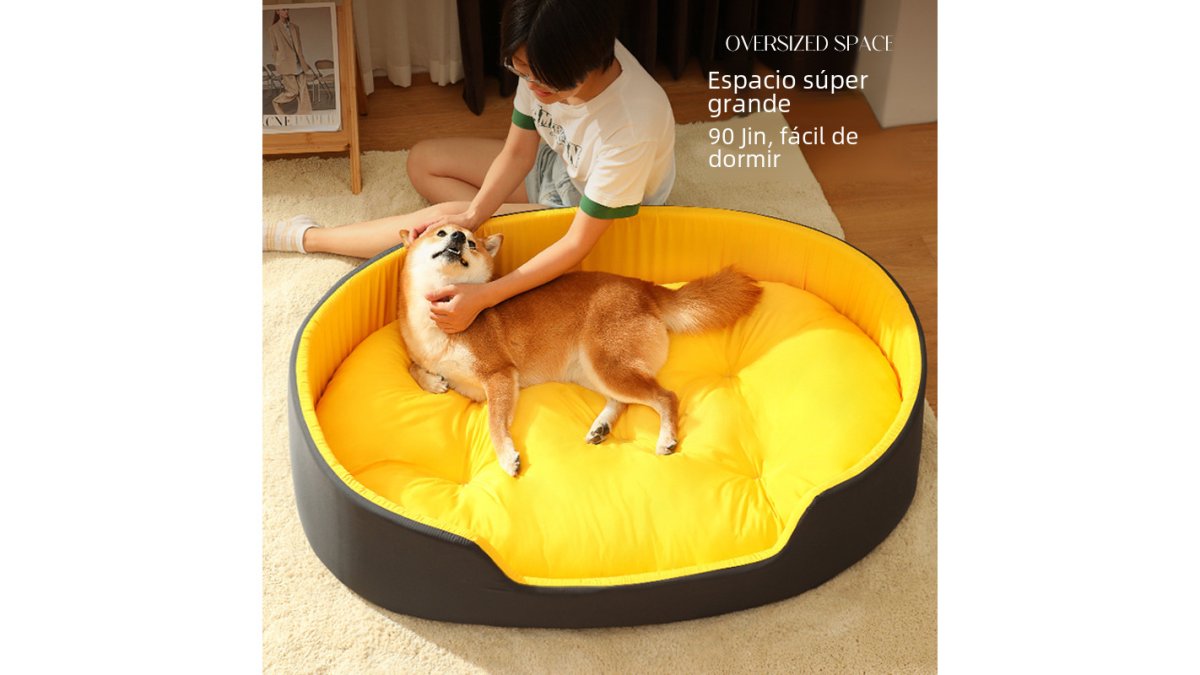
Step 1: Measure length, not weight. With your dog standing, measure from the base of the tail to the tip of the nose. Then have them lie down in their usual position and measure again from nose to tail tip.

Step 2: Measure width at the shoulders. A bed that is long enough but too narrow forces a dog to hang over the edge, which defeats the support. Measure across the widest part of the chest or shoulders.
Step 3: Add clearance based on posture.
- Curler: add 4-6 inches to the lying length. These dogs tuck into a ball and often prefer a bed with raised edges they can press against.
- Side sleeper: add 6-9 inches to the lying length so the legs can extend without hanging off.
- Sprawler or back sleeper: add 9-12 inches to the lying length and choose a flat or low-bolster design so the legs are not blocked by walls.
- Position changer: size to the longest position your dog uses, not the average, or the bed will be too short half the night.
Step 4: Check entry height for seniors and small dogs. For a dog with arthritis or a very small breed, a bolster that is too tall becomes a barrier.
Size bands as a starting point, not a rule:
- Small dog beds generally suit dogs under 25 pounds, with common footprints from 18x24 inches to 24x30 inches. Our Banana Pet Bed at $45.02 fits dogs up to 10 pounds and works as a snug sleeping bag for dogs that burrow.
- Medium dog beds suit dogs between 25-60 pounds, typically 30x40 inches to 36x48 inches. Our Universal Pet Dog Bed with Removable Washable Cover at $18.46 comes in multiple sizes so you can match the footprint to your measurement rather than guessing from the breed label.
- Large dog beds start around 40x50 inches for dogs over 60 pounds. Our Orthopedic Dog Sofa Bed at $167.40 is listed with a large footprint of 91x69 inches, giving heavy dogs room to stretch while the orthopedic foam carries their weight.
A quick fit test once the bed arrives: your dog should be able to lie fully extended without the nose or tail hanging over an edge, and should be able to turn around without stepping off.
Orthopedic Dog Beds for Joint Support
Orthopedic dog beds matter most for senior dogs, puppies with developing bones, and dogs with arthritis or hip dysplasia. The orthopedic foam base reduces pressure on joints and muscles during sleep, potentially improving mobility and comfort.
The orthopedic dog beds market was valued at $2.8 billion in 2025 and is projected to reach $5.1 billion by 2034, at a 6.8% CAGR, according to Dataintelo's Orthopedic Dog Beds Market Research. This growth reflects increasing pet owner awareness of joint health.
What separates orthopedic beds from standard options is the foam density and construction. Quality orthopedic beds use memory foam or high-density foam that conforms to your dog's body shape, distributing weight evenly. This reduces pressure points that can aggravate existing joint problems.
Our Orthopedic Dog Sofa Bed features orthopedic foam paired with a plush, fluffy surface. It's available in small, medium, and large sizes to accommodate different breeds. The removable cover makes cleaning simple, and the raised edges provide neck support that many senior dogs appreciate.
Washable Dog Beds: Cleaning and Maintenance
A washable cover solves the surface problem, but the foam core is what determines whether the bed still supports your dog after a year. Treat the cover and the core as two separate maintenance jobs.
The cover: wash on a schedule, not on a whim. Every 2-4 weeks is a reasonable baseline for most dogs.
The foam core: spot-clean, never soak. Memory foam and high-density foam break down when saturated. Blot accidents immediately with a damp cloth and a mild, pet-safe cleaner, then press out moisture with a towel and let the core air-dry flat, away from direct sun.
Plush Pet Bed – Ultra-Soft Cushion for Dogs & Cats →
Odor control between washes. Vacuum the cover with an upholstery attachment, sprinkle baking soda on the surface, let it sit for 15-30 minutes, then vacuum again. This lifts hair and surface odor without adding moisture.
Signs the bed has lost support and should be replaced:
- A visible dip or body-shaped crater that does not spring back after your dog gets up.
- Foam that feels crumbly, compressed, or permanently flattened at the pressure points.
- A cover that no longer fits because the core has collapsed.
- Persistent odor that returns within days of washing, which usually means the core, not the cover, is holding it.
- Your dog avoiding the bed or shifting restlessly, which can signal discomfort with a worn surface.
What to look for when buying: a fully removable cover with a zipper, a core you can spot-clean, and care instructions printed on the product rather than buried online.
Firm vs. Soft Dog Beds: What Your Dog Needs
The firmness of a bed affects both comfort and support. This choice depends on your dog's age, weight, and personal preference.
Soft beds with plush cushioning appeal to dogs who like nesting and warmth. They're ideal for puppies, small breeds, and dogs in cold climates. The downside: soft beds compress over time and offer less joint support. They're best for young, healthy dogs without orthopedic concerns.
Firm beds provide better structural support for larger dogs and those with joint issues. The firmness prevents your dog from sinking too deeply, which can strain their back and joints. Senior dogs and heavy breeds benefit from firmer surfaces.
Many dogs prefer a middle ground, soft enough to be comfortable but firm enough to provide support. Our Plush Pet Bed balances plushness with the anti-slip base and backrest, offering comfort without sacrificing support.
Quick Comparison and Selection Criteria
| Bed Type | Best For | Price Range | Key Feature | Washable |
|---|---|---|---|---|
| Plush Pet Bed | Small to medium dogs | $95.72 | Thick backrest, anti-slip base | Yes |
| Orthopedic Sofa Bed | Senior and large dogs | $167.40 | Orthopedic foam, raised edges | Yes |
| Universal Pet Bed | Budget-conscious buyers | $18.46 | Multi-size, multi-color options | Yes |
| Banana Pet Bed | Small dogs under 10 lbs | $45.02 | Unique design, ultra-soft | Yes |
When selecting a bed dog beds, consider these factors in order:
- Size accuracy, measure your dog stretched out, then add 6-12 inches
- Washability, removable, machine-washable covers save time and extend lifespan
- Support level, firm for senior and large dogs, soft for small and young dogs
- Budget, quality varies, but mid-range options ($40-$100) offer good durability
- Style preference, flat, bolster, or sofa design based on how your dog naturally sleeps
Matching Bed Dimensions to Your Dog's Sleeping Position
Your dog's natural sleeping position reveals what bed dimensions will work best. This is often overlooked but makes a real difference in actual comfort.
Side sleepers stretch out fully and need beds at least as long as their body length plus 6 inches. They benefit from flat or low-profile beds that don't restrict movement. A 36x48 inch bed works well for medium dogs in this position.
Curlers tuck their legs underneath and sleep in a ball. These dogs need less linear space but prefer higher walls or bolstered edges for security.
Back sleepers sprawl with legs extended in all directions. They need the most space and benefit from larger, firmer beds that support their distributed weight. These dogs often prefer flat surfaces without restrictive edges.
Observe where your dog naturally settles in your home, on the couch, in a corner, on open floor space. That behavior indicates their preferred sleeping style and the bed dimensions they'll actually use.
Choosing the right dog beds comes down to matching your dog's size, age, and sleeping style with a bed that supports those needs.
Frequently Asked Questions
What size dog bed does my dog need?
Measure your dog from nose to tail while lying down, then add 4-6 inches. Small dogs under 25 lbs typically need beds 24-30 inches long; medium dogs (25-60 lbs) need 30-40 inches; large dogs over 60 lbs need 40+ inches. Consider your dog's sleeping position, side sleepers need more length, while curlers need less. Check the specific dimensions of each bed listing to ensure a proper fit.
Are orthopedic dog beds worth the investment?
Orthopedic dog beds provide foam support that reduces pressure on joints and muscles, making them especially valuable for senior dogs, arthritic dogs, and larger breeds. The orthopedic foam base helps distribute weight evenly and can improve sleep quality. While they cost more upfront, they often last longer and can reduce discomfort for dogs with joint issues or those recovering from injury.
How often should I wash a dog bed?
Wash your dog bed every 1-2 weeks if your dog has a skin condition, or monthly for healthy dogs. Most dog beds feature removable, machine-washable covers that make cleaning simple. Always check the care label first. Regular washing removes odors, allergens, and bacteria. Spot-clean accidents immediately, then do a full wash when needed. A clean bed stays fresh longer and supports better hygiene for your pet.
Do dogs prefer firm or soft beds?
Preferences vary by dog. Older dogs and those with arthritis typically prefer firmer beds with orthopedic foam for joint support. Younger, healthy dogs often enjoy softer, plush beds for comfort. Some dogs like raised edges for head support and security. The best approach is observing your dog's behavior, if they stretch out fully, they may prefer a firmer surface; if they curl up, they might like softer cushioning. Consider your dog's age, size, and any health conditions.
What materials make the best dog beds?
High-quality fabric, memory foam, and orthopedic foam are durable materials that support long-term use. Look for washable covers and water-resistant bases to protect against accidents and extend the bed's lifespan. Plush fabrics provide comfort, while anti-slip bases prevent the bed from sliding around. The combination of durable outer material and supportive internal foam creates a bed that lasts through years of daily use.


